
Breadcrumb navigation

Oncology
Harnessing AI to identify and target tumor-specific neoantigens, enabling truly personalized immunotherapy for each patient.
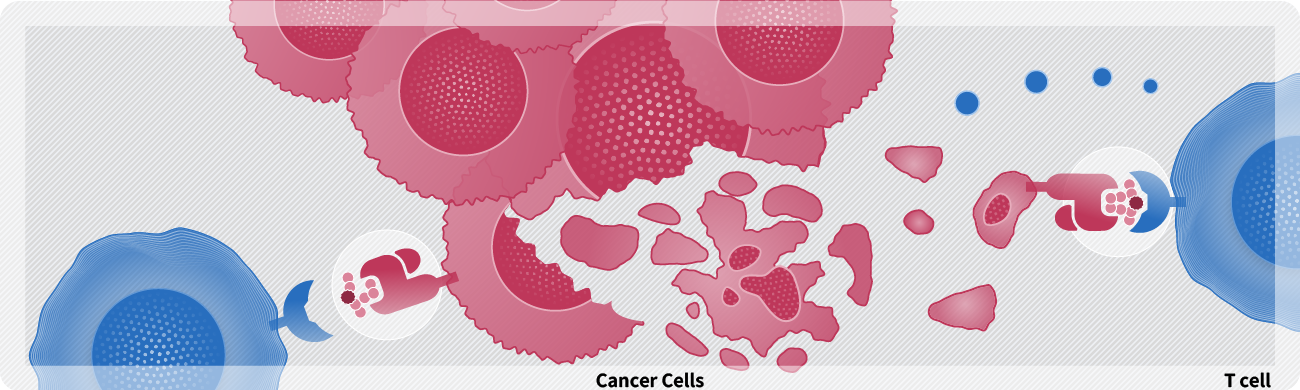
Cancer immunotherapy works by stimulating the body's own immune response to eradicate cancer cells. Over the past few decades, immunotherapy has demonstrated significant efficacy in clinical settings. Neoantigen directed therapies are building upon this success by adding a tool to the therapeutic armamentarium. Neoantigen therapies activate T cells targeting shared or patient-specific cancer epitopes. More recently, new classes of antigens are emerging and paving the way for more efficacious individualized therapy. NEC Bio is fully committed to advancing this field with cutting-edge neoantigen identification and prediction technologies.
The Challenge
Cancer remains a major unmet medical need, and cancer immunotherapies offer a compelling premise: directing the immune system at targets that are unique to the tumor and absent from healthy tissue. Turning a patient's tumor into a working therapy however, brings several challenges:
- Detection and prioritization - Sequencing a single tumor surfaces hundreds to thousands of candidate alterations, yet only a few percent are viable targets; the decisive step is ranking down to those.
- Patient-specific biology - Tumors and tumor contexture differ extensively and most alterations are specific to one patient, making each case unique.
- More than binding - A viable target must be genuinely presented and immunogenic, not merely predicted to bind, nor only inducing a T cell response. It must induce a T cell response that can actually result in a cytotoxic effect on tumor cells.
- Speed vs. rigour - Rigorous biological modelling is computationally demanding, while trial timelines and per-patient manufacturing require rapid, reproducible turnaround. An individualized neoantigen platform must deliver both at once.
Our Approach
NEC Bio provides products that are designed to combine scientifically grounded, analytical rigour with reproducible, timely turnaround.
- Interpretable prioritization. - A bioinformatics pipeline can generate thousands of candidate targets per patient, and the task is to rank them down to a shortlist. Our modelling of the underlying biology is benchmarked against immunogenicity and clinical activity, and every step in the ranking is traceable.
- Flexibility. - We accommodate whole-exome (WES), whole-genome (WGS) and any other variant identification approach as input data and support both individualized and shared neoantigens recurrent across patients.
- Fast, reproducible delivery. - Our platform is modular and cloud-native by design: independent steps, from variant calling through prediction and prioritization to clinical reporting, run across cloud compute, so higher volumes and more demanding samples are handled by adding capacity rather than by waiting. QC and clinical reporting are built in, and the platform is designed to be reproducible, auditable, and suited to the demands of multi-site clinical trials.
- Clinically translated, backed by NEC. - Our prediction platform supports live clinical programs, such as NECVAX-NEO1 and TG4050. The platform is developed and applied by NEC Bio to its own clinical programs, combining real-world clinical experience with the stability and global reach of its parent company, NEC Corporation.
The sections below detail how this is applied across individualized and shared neoantigen therapies and our delivery platform.
What are Neoantigens?
Neoantigens are antigens generated by cancer cells as a result of genomic or molecular alterations. Many neoantigens arise from somatic mutations in cancer cell DNA that alter protein sequences. In addition to these mutation-associated neoantigens, tumor-specific epitopes can also arise from non-mutational mechanisms, such as aberrant RNA splicing and aberrant translation.
Compared with other types of tumor antigens (e.g. Tumor Associated Antigens (TAAs) such as cancer-testis antigens (CTAs)), neoantigens offer a distinct advantage in that they are typically tumor and or tumor contexture -specific and absent from normal tissues.
As a result, they are not subject to central tolerance and represent promising targets for personalized cancer therapies.
References:

Individualized Neoantigen Therapy
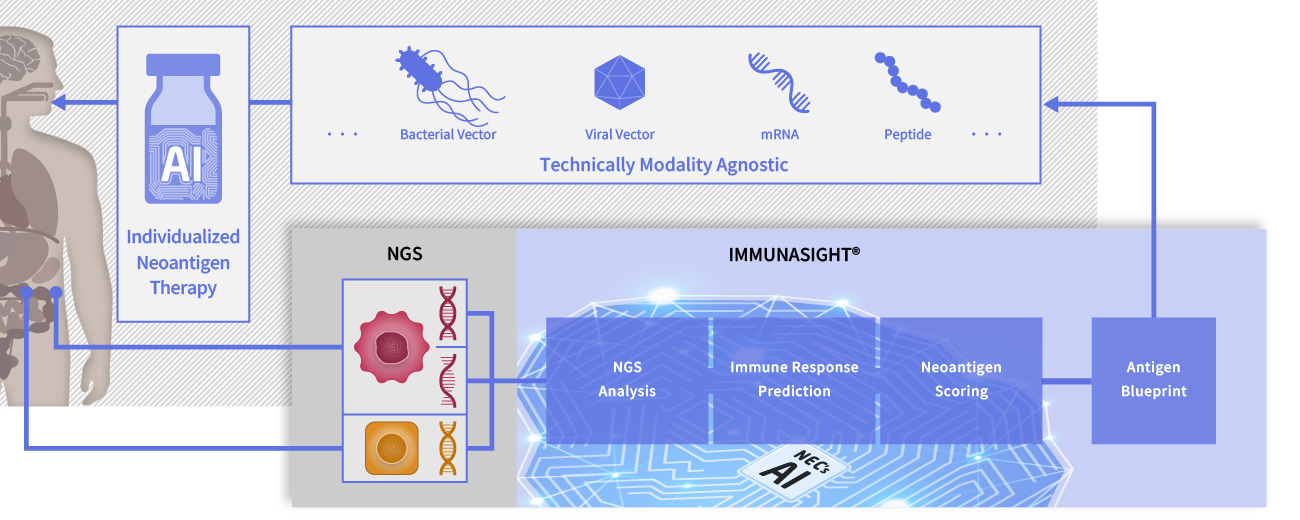
One promising application of AI-powered immunogenomics is individualized neoantigen therapy, which is designed based on the unique genetic mutations in each patient’s tumor. NEC Bio’s AI/ML algorithms analyze each patient’s genomic data to identify neoantigens. The platform predicts not only which peptides are likely to be immunogenic, but also which ones are actually processed and presented by tumor cells. The immunogenic potential of mutated peptides arising from these tumor-specific alterations is assessed through a neoantigen prediction pipeline, and the selected high-confidence antigens are used to design and manufacture a patient-tailored, cancer-specific therapy. This approach is intended to stimulate the capacity of the patient’s immune system to recognize and kill cancer cells.
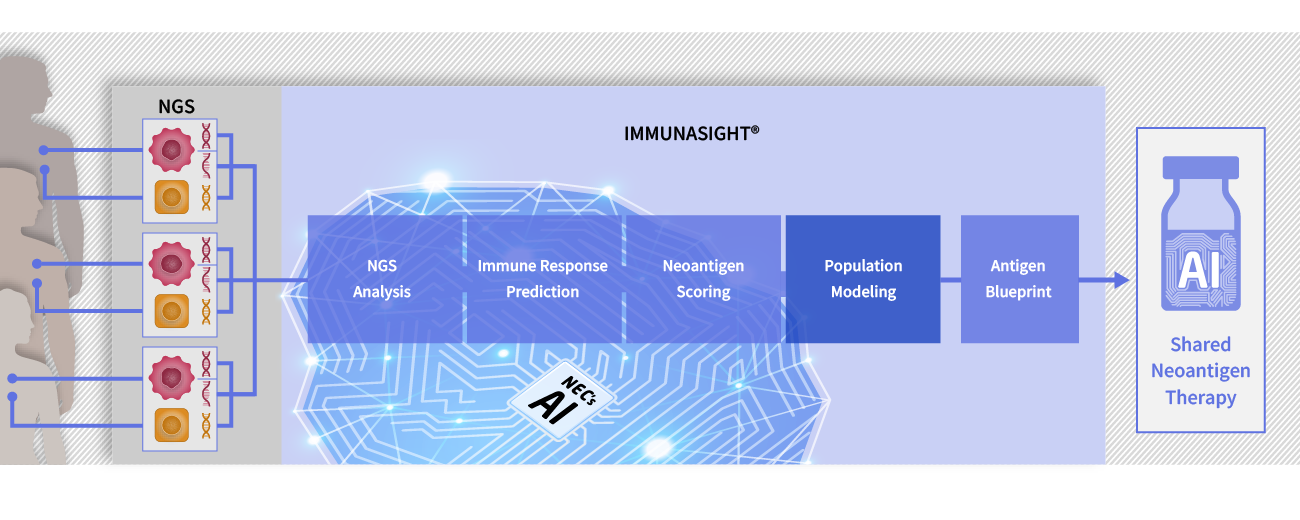
IMMUNASIGHT®
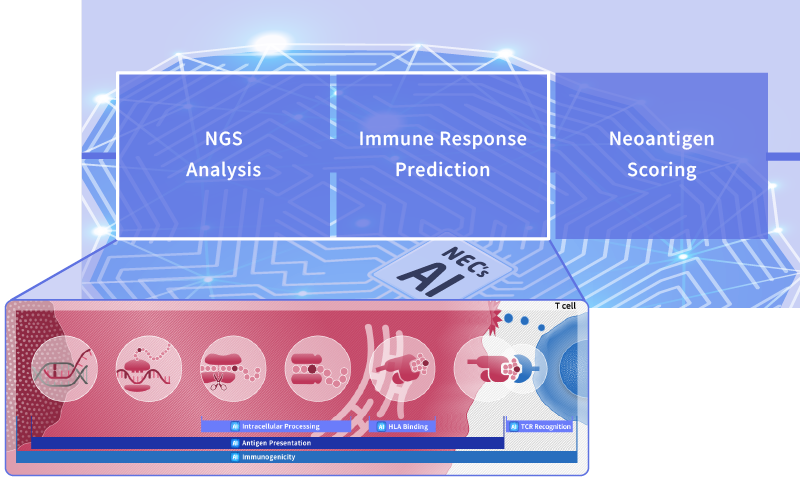
Many currently available methods for neoantigen prediction are solely relying on binding affinity to the MHC of putative peptides. However, binding affinity is only one of the features required for a peptide to be immunogenic. Hence, prediction of immunogenicity using current algorithms remains challenging despite improved accuracy of binding prediction. To overcome this challenge and enrich for neoantigens with the greatest likelihood of immunogenicity, we developed an analytic method to parse neoantigen quality through rational biological criteria beyond binding affinity.
NEC Bio has developed an AI engine, IMMUNASIGHT®, to predict true neoantigens from next generation sequencing data. These antigens are used for personalized cancer immunotherapy and cancer immunotherapy biomarkers. The key differentiator of our technology is the accurate prediction of antigens that are naturally processed and present on the tumor cell surface. This unique approach has been validated against clinically relevant neoantigens, increasing the probability of clinical success for our biopharma partners.
IMMUNASIGHT® is available for general T cell antigen discovery, patient immune profiling and individualized therapy design. As a modular, computationally optimized platform, IMMUNASIGHT® delivers a cost-effective, highly scalable tool for the identification of epitopes both in individual patients and across patient cohorts.
The core components of the IMMUNASIGHT®, which rely on machine learning, will be explained in detail in the sections at [T cell Epitope Prediction]
Shared Neoantigen Therapy
Advances in sequencing technologies have enabled rapid design of individualized neoantigen therapy based on detailed tumor profiling. While such individualized therapies can incorporate multiple patient-specific epitopes that reflect cancer’s heterogeneity and mutational landscape, they require manufacturing for each patient, raising challenges related to cost and broad accessibility. As an alternative, shared neoantigen therapy that targets shared cancer antigens are attracting increasing interest. However, most conventional neoantigens are highly patient-specific, and only a limited number of recurrent mutations—such as those in cancer driver genes (genes whose mutations drive cancer development and growth)—are shared across a subset of patients.
To address this limitation, NEC Bio is exploring the “dark genome”—previously unexplored regions of the genome—to identify shared neoantigens arising from cancer-specific genomic alterations. Recent studies suggest that some dark-genome-derived antigens can be shared across patients while retaining immunological relevance (*1). By applying its proprietary antigen discovery and prediction technologies, NEC Bio is expanding the repertoire of targetable shared cancer-specific antigens beyond those identified through conventional (also known as canonical) neoantigen discovery.
At NEC Bio, we have developed a proprietary tool that predicts dark-genome-derived antigens, leveraging our unique neoantigen prediction technology. Using this tool in combination with cancer patient samples, we are identifying epitopes that are recurrently observed across patients. By utilizing these shared cancer antigens, we aim to develop off-the-shelf cancer neoantigen therapies.
Antigen Delivery Modalities
NECVAX-NEO1: An Orally Delivered Individualized Neoantigen Therapy
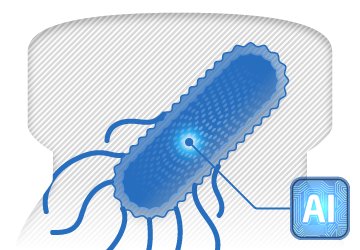
NECVAX-NEO1 is based on a clinically validated plug & play platform technology for patient-convenient oral administration which is self-adjuvanted through the bacterial carrier. The turnaround time is short due to the straight-forward miniaturized patient-specific manufacturing process. The technology enables targeting of a large number of neoantigens of any size and is applicable to personalized as well as shared neoantigen-targeting approaches. The antigen epitopes are presented on the dendritic cell surface via MHC molecules that activates antigen specific CD8+ T cells. These activated T cells then initiate the cell death of the cells expressing the target antigens, thereby contributing to the immune response.
TG4050: A Viral Vectored Individualized Neoantigen Therapy
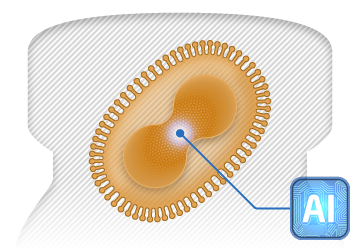
TG4050 is developed in collaboration with a French biotech Transgene. Transgene platforms use an MVA which has a long track record of clinical safety and efficacy. Target antigens identified using AI are cloned into the virus genome and expressed in the patient upon delivery. The association of cancer target and a non-pathogenic virus leverage the natural sensitivity of the immune system to virus to induce a strong response against cancer neoantigens. The size of the genomic payload of the virus allows the selection of a large panel of cancer target, hence decreasing the risk of resistance and addressing the complexity of tumor heterogeneity.
ICT Platform
In addition to our neoantigen discovery technology, NEC is conducting a wide range of research and development, including networks and cyber security, that will contribute to the manufacture and delivery of individualized therapies.
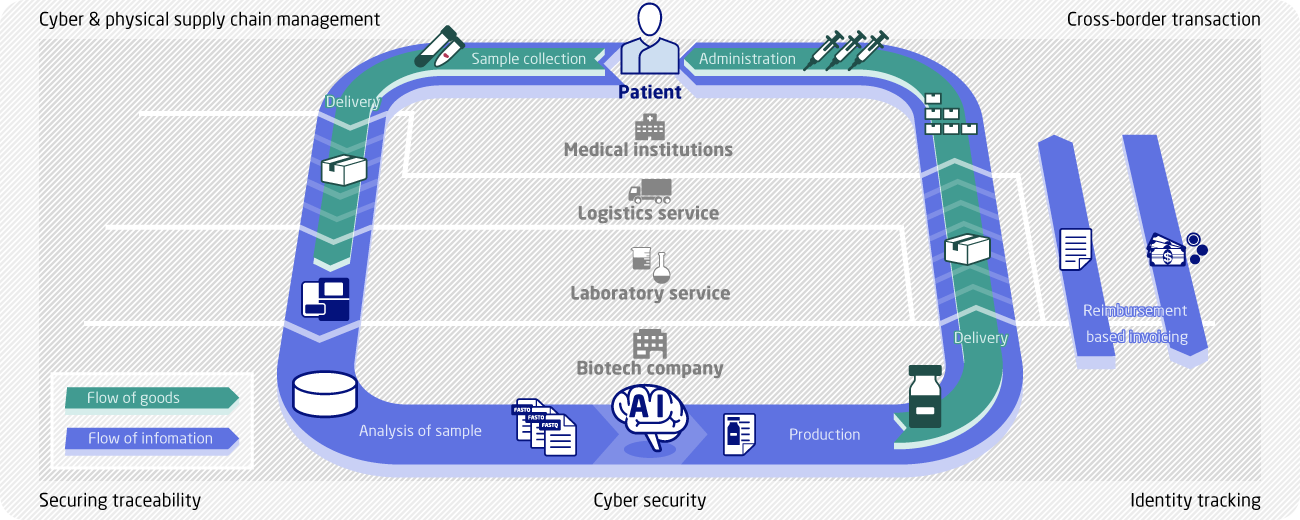
Challenges in Individualized Neoantigen Therapy: Manufacturing and Delivery
The manufacture of individualized neoantigen therapy begins with the analysis of a patient's genomic data to design and produce a patient-specific product. As a result, ensuring that the correct product is administered to the correct patient is of critical importance. In addition, the field faces a range of complex challenges, including the management of vast amounts of genomic data, protection against cyber security threats, quality control of increasingly sophisticated manufacturing processes, and the maintenance of competitive turnaround times. Addressing these challenges requires end-to-end digitalization of the workflow. NEC Bio is advancing research and development of ICT technologies and platforms designed to enable this digital transformation.
The Need for a Comprehensive Process Workflow and Key Considerations
NEC Bio defines the diverse processes required to enable the commercial manufacturing of individualized neoantigen therapy as a Comprehensive Process Workflow and propose the key considerations necessary for its successful implementation. These considerations include established concepts such as Chain of Identity, which ensures that each patient-specific product is administered to the correct patient, as well as frameworks for the secure and appropriate management of large volumes of genomic data, one of the most sensitive forms of personal information. In addition, NEC Bio proposes new perspectives that could contribute to next-generation cancer treatment platforms, such as facilitating the secondary use of data to accelerate research, innovation, and future therapeutic development.
NEC Bio's ICT Platform Technologies
To address the requirements of a Comprehensive Process Workflow, NEC Bio is advancing the development and validation of cutting-edge technologies, including appropriate data protection methods and a Chain of Identity framework based on biometric information. For example, NEC's advanced network encryption technology has been designed with consideration for future security threats, including the risk of cryptographic attacks enabled by quantum computers, and supports secure data transmission. In addition, NEC's proprietary biometric signature technology combines biometric authentication with electronic signatures, enabling reliable linkage between each patient and their individualized product. Through the validation of these technologies in clinical trial workflows and individualized cancer vaccine manufacturing processes, NEC Bio aims to further advance future personalized neoantigen therapies.
For more details and other key considerations, see our white paper.